

Heavy-duty truck service costs and frequency depend heavily on which common issues you catch early. Fleet operators consistently face the same handful of problems. Understanding what breaks and why leads to preventive maintenance strategies that keep trucks on the road. This guide walks through the most common truck repair situations and how to prevent them.
Why Heavy Duty Truck Repair Is Different
Heavy duty trucks operate under stresses that light-duty vehicles never experience. 80,000+ pound loads. 500,000+ mile lifespans. Extended-duty engines and drivetrains. According to the American Trucking Association the average heavy duty truck operates 45,000-100,000 miles annually. Failure patterns differ fundamentally from light-duty vehicles.
Common Issue 1: Diesel Particulate Filter (DPF) Problems
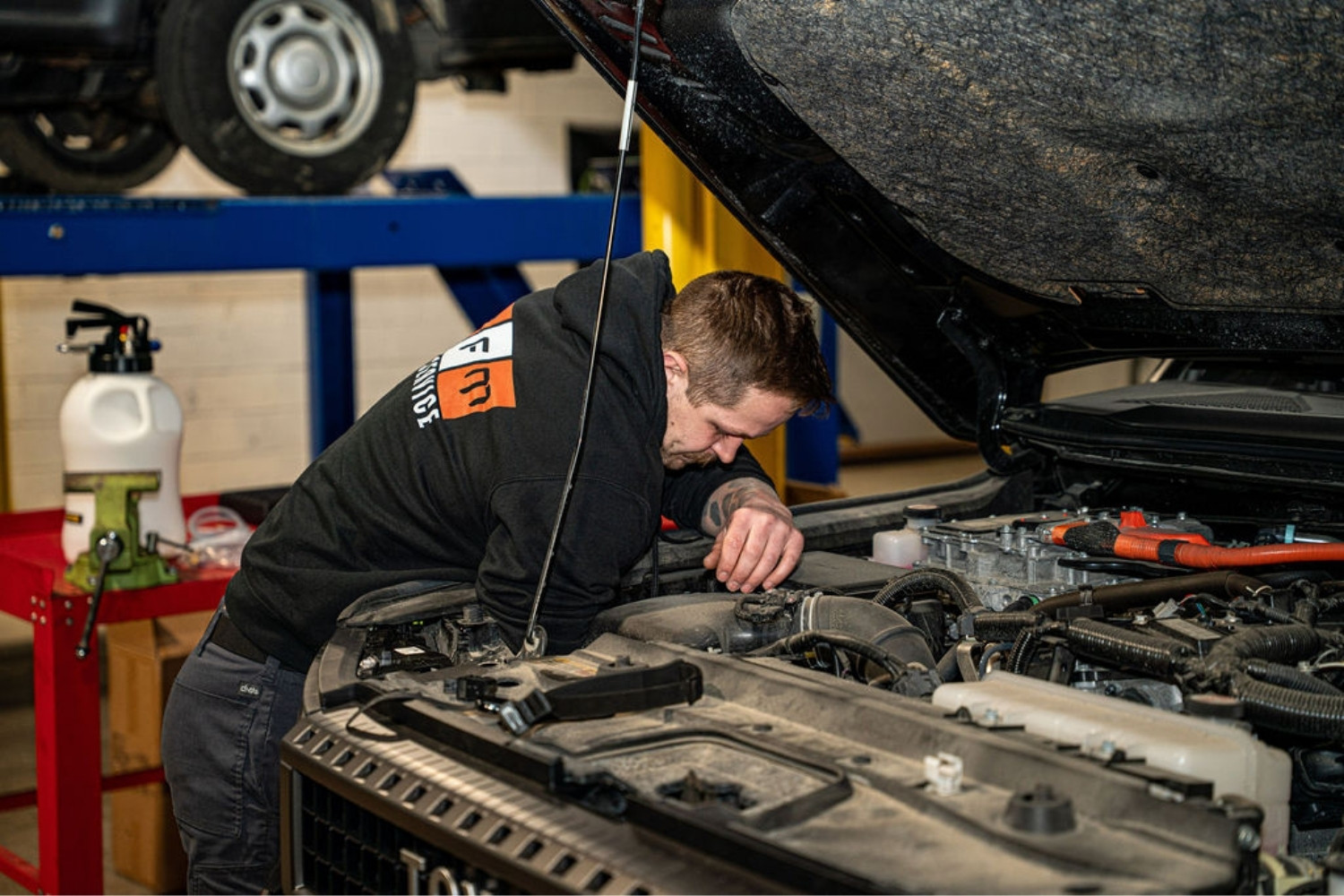
Modern diesel emission control systems include DPFs that trap soot for later regeneration. DPF clogs cause reduced power, active regeneration failures, and eventual complete blockage requiring replacement.
Prevention
Regular highway driving allows passive regeneration. Short trips with heavy stop-and-go operation increases clogging risk. DPF cleaning every 250,000-400,000 miles. Quality fuel and oil reduces soot generation.
Common Issue 2: Turbocharger Failures
Turbochargers spin at 100,000+ RPM at 1400°F+ temperatures. Failures affect power, fuel economy, and often cascade into engine damage.
Prevention
Proper cool-down before shutdown. Regular oil changes with quality synthetic oil. Air filter monitoring. Attention to boost pressure gauges. Early replacement when wear is detected.
Common Issue 3: Air Brake System Issues
Complex pneumatic system with hundreds of components. Air leaks reduce brake efficiency and cause compressor overwork. Slack adjuster problems affect braking balance.
Prevention
Regular brake inspection at PM intervals. Air system leak checks. Slack adjuster adjustments as needed. Automatic slack adjusters require inspection but adjust themselves. The Federal Motor Carrier Safety Administration requires specific brake system maintenance.
Common Issue 4: Transmission Problems
Heavy duty transmissions (manual, automatic, automated manual) handle massive torque. Wear affects shifting quality, fuel economy, and eventually results in failures.
Prevention
Regular fluid changes at manufacturer intervals. Driver training on proper operation. Attention to shift quality changes. Address issues before major component failure.
Common Issue 5: DEF (Diesel Exhaust Fluid) System Problems
SCR systems using DEF require attention to fluid quality and system components. Contamination or system faults trigger derated performance and eventual shutdowns.
Prevention
Quality DEF from reputable sources. System monitoring. Regular sensor and dosing unit inspection.
Common Issue 6: Cooling System Issues
Heavy duty engines generate massive heat. Cooling system failures produce catastrophic engine damage in minutes.
Prevention
Regular coolant flush and refill. Radiator and CAC inspection. Belt and hose replacement at manufacturer intervals. Temperature gauge monitoring.
Common Issue 7: Electrical System Problems
Modern trucks have complex electrical systems with hundreds of connections. Corrosion, vibration, and time degrade connections.
Prevention
Battery maintenance. Alternator monitoring. Regular connection inspection. Address issues before intermittent problems become total failures.
Common Issue 8: Suspension and Steering
Air ride suspension, king pins, tie rod ends, and steering components wear over hundreds of thousands of miles. Wear affects handling, tyre life, and safety.
Prevention
Regular inspection at PM intervals. Alignment checks. Proper tyre inflation. Address wear before failures.
Common Issue 9: Tyre Issues

Tyres are the highest maintenance cost item on most trucks. Improper inflation, alignment issues, and driving habits all affect tyre life.
Prevention
Weekly pressure checks. Regular rotation. Alignment maintenance. Driver training on handling. Modern low-rolling-resistance tyres are particularly inflation-sensitive.
Common Issue 10: Aftertreatment System Faults
Complex emissions systems (DPF, SCR, EGR) create numerous fault codes. Root causes vary. Diagnostic time can be significant.
Prevention
Quality fuel. Regular emissions system inspection. Address fault codes promptly. Preventive cleaning at appropriate intervals.
The PM Service Approach
Preventive maintenance at manufacturer-recommended intervals catches most issues before they become problems. Typical PM schedule: A-service every 15,000-25,000 miles (oil, filters, lubrication). B-service every 30,000-50,000 miles (add brake adjustment, extensive inspection). C-service every 90,000-100,000 miles (comprehensive inspection). Actual intervals vary by manufacturer and operation.
The Cost of Deferred Maintenance
Reactive maintenance for a single major failure often exceeds a full year of preventive maintenance costs. According to industry studies, well-maintained fleets report 30-50% lower per-mile maintenance costs than reactive-maintenance fleets. The math consistently favours proactive approaches.
When to Repair vs Replace
For older trucks approaching 750,000+ miles, some major repairs may not be economically justified. Engine overhaul: $15,000-$40,000. Transmission rebuild: $8,000-$20,000. Consider the truck’s remaining useful life against major repair costs.
Choosing a Heavy Duty Truck Repair Shop
Look for: ASE-certified technicians, dedicated commercial truck facility, appropriate diagnostic equipment, parts inventory, warranty support. PFM Fleet Service provides heavy duty truck repair in Central Ohio.
Warranty and Extended Warranty Considerations
New trucks come with manufacturer warranty typically covering 2-5 years or specific mileage. Extended warranties available. Understanding what is covered under each warranty affects maintenance and repair decisions.
Diagnostic Technology
Modern trucks generate extensive diagnostic data. Fault codes, sensor readings, operational parameters. Quality repair shops use appropriate diagnostic equipment for accurate diagnosis. Guessing based on symptoms leads to unnecessary parts replacement.
Driver Training Impact
Driver behaviour affects component life significantly. Aggressive shifting, excessive idling, hard braking, and poor pre-trip inspection all shorten component life. Driver training pays back through reduced repair costs.
Fleet Management Software
Modern fleet management software tracks: PM schedules, service history, fault codes, fuel economy, driver behaviour. Data-driven maintenance decisions outperform intuition-based approaches.
Working with PFM Fleet Service
PFM Fleet Service provides heavy duty truck repair, PM services, and DOT inspections. See all services and contact details at our website.
FAQs
What is the most common heavy duty truck repair issue?
Air brake system issues, tyre problems, and emissions system faults are the most common. Root causes vary but preventive maintenance addresses most.
How often should heavy duty trucks receive PM service?
A-service every 15,000-25,000 miles. B-service every 30,000-50,000. C-service every 90,000-100,000. Actual intervals vary by manufacturer.
How much do major repairs cost?
Engine overhaul: $15,000-$40,000. Transmission rebuild: $8,000-$20,000. Turbocharger replacement: $3,000-$8,000.
When should I consider replacing versus repairing?
For trucks approaching 750,000+ miles, consider remaining useful life against major repair costs.
Where can I get PFM heavy duty truck repair service?
PFM Fleet Service provides service in Central Ohio.