

Trailer repair timing matters more than fleet operators often realise. A brake adjustment delayed becomes a brake failure. A leaking air line ignored becomes a DOT violation. A worn tyre kept in service becomes a roadside blowout. Small delays in trailer maintenance compound into big downtime, safety issues, and lost revenue. This guide explains how the cascade happens and what proactive maintenance prevents.
The True Cost of Trailer Downtime
Fleet downtime cost varies but the American Transportation Research Institute estimates $448-$760 per day per truck for typical operations. A trailer off the road affects the entire tractor-trailer combination. Multi-day repairs multiply the impact rapidly.
How Small Issues Become Big Problems
Air System Leaks
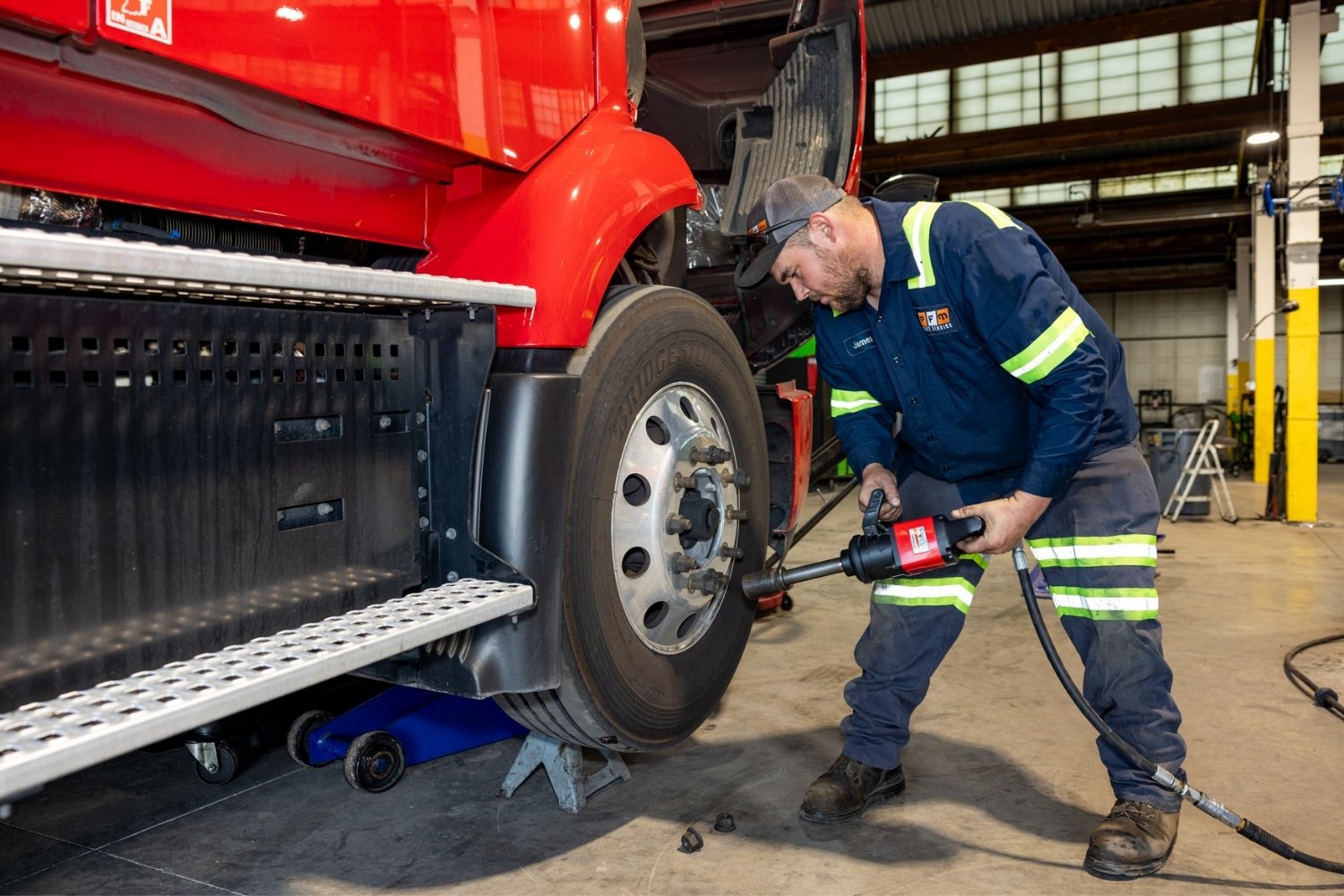
Small air leaks reduce brake efficiency and increase compressor wear. Left unaddressed: compressor failure, complete brake system failure, and roadside shutdowns. What starts as a $50 hose repair becomes a $2,000+ compressor replacement plus days of downtime.
Wheel Bearing Wear
Slight wheel bearing play produces uneven tyre wear. Left unaddressed: bearing seizure at highway speed, wheel separation, and safety incidents. What starts as a $150 bearing replacement becomes tens of thousands in equipment damage and potential liability.
Tyre Underinflation
5-10 PSI below spec produces uneven wear and reduced fuel economy. Left unaddressed: sidewall failure, blowouts, and roadside downtime. What starts as air pressure monitoring becomes emergency tyre service.
Brake Adjustments
Slight brake pushrod stroke exceedance is common. Left unaddressed: full brake system failure, DOT violations at inspection, potential accidents. What starts as a 10-minute adjustment becomes major brake work.
Lighting and Reflector Issues
Burned-out marker lights or damaged reflectors. Left unaddressed: DOT violations, roadside citations, out-of-service status. What starts as a $10 bulb becomes a shutdown at DOT inspection.
The Domino Effect
Single component failures cascade through connected systems. Air leak → compressor overwork → compressor failure → brake system failure → complete shutdown. Wheel bearing wear → tyre damage → tyre failure → wheel damage → axle damage. Understanding these connections is why proactive semi trailer repair matters.
The Common Trailer Issues
Brake System
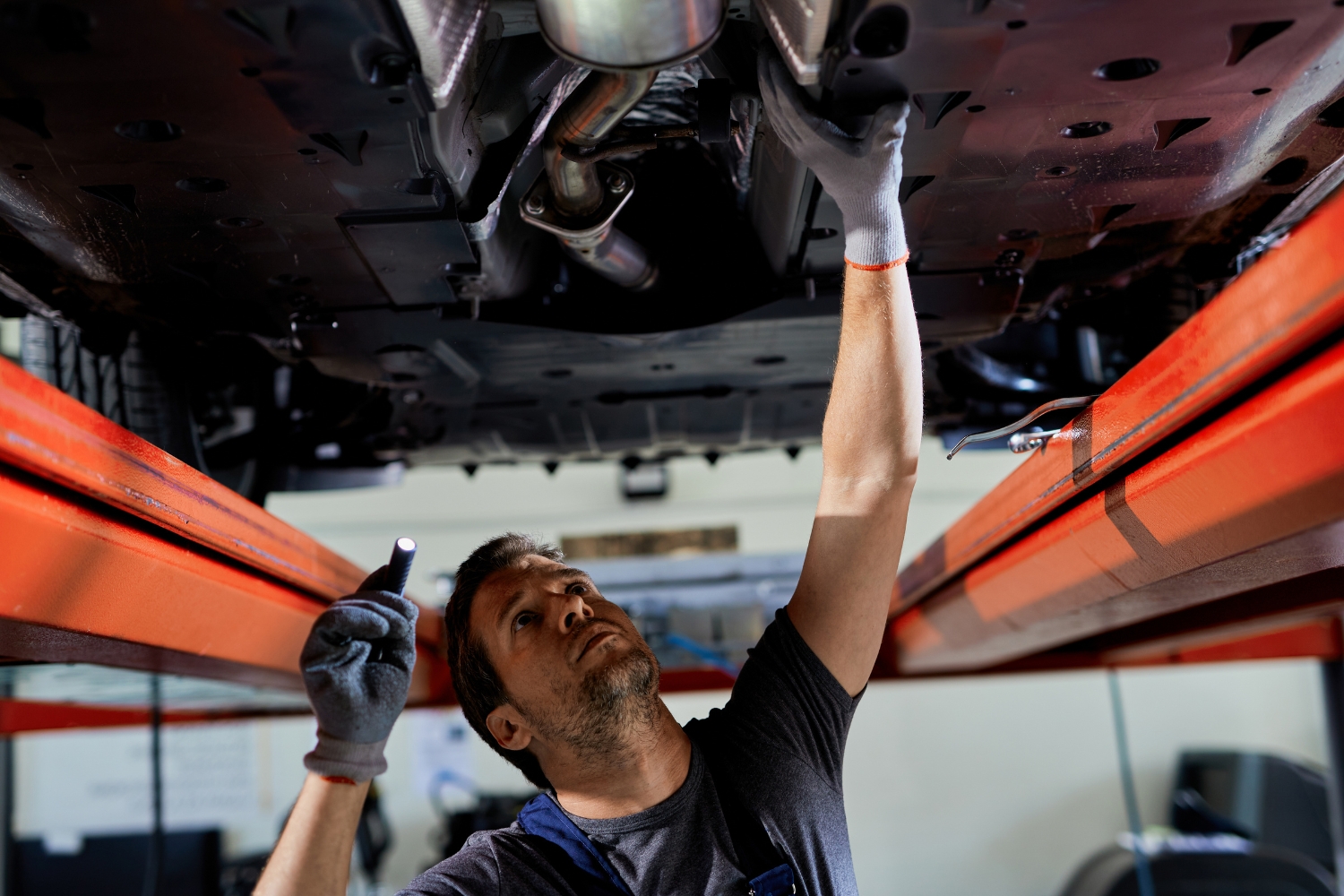
Air brake components including slack adjusters, chambers, hoses, and drums. Highest safety criticality on trailers.
Suspension System
Air ride or spring suspension components. Wear affects load handling and driver comfort. Ignored suspension issues damage cargo and other components.
Tyres and Wheels
Constantly moving parts requiring the most frequent attention. Modern low-rolling-resistance tyres require precise inflation for advertised fuel economy.
Landing Gear
Cranks up and down thousands of times over trailer life. Wear affects stability when disconnected.
Electrical System
Lighting, ABS wiring, connections to the tractor. Corrosion and abrasion damage are common.
Structural Components
Frame, cross-members, floor. Long-term wear from load stress. Identifying issues before they become structural failures.
The Preventive Maintenance Approach
Daily Pre-Trip Inspection
Driver inspection required by federal regulation. Catches immediate safety issues. Documentation required for compliance.
Weekly Detailed Inspection
Trained technician review of all major systems. Catches developing issues before failures.
PM Service Intervals
Manufacturer-recommended service at specific mileage or time intervals. Fluid changes, brake adjustments, lubrication, component checks.
Annual Certification
The Federal Motor Carrier Safety Administration requires annual inspection with documented certification. Non-compliance results in out-of-service status.
The Cost-Benefit Math
Preventive maintenance runs $100-$500 per trailer per month depending on age and usage. Reactive maintenance for a single major failure often exceeds a full year of preventive costs. According to industry studies, well-maintained fleets report 30-40% lower per-mile operating costs than reactive-maintenance fleets.
Common Semi Trailer Repair Mistakes
Deferring “Non-Critical” Issues
Small issues rarely stay small. Deferring compound costs and safety exposure.
Using Non-OEM Parts on Critical Systems
Brake components, suspension, and safety systems benefit from OEM specification parts. Cheap alternatives fail earlier and often catastrophically.
Skipping Documentation
Maintenance records support warranty claims, DOT compliance, and resale value. Missing records create real problems.
Under-Investing in Driver Training
Drivers who understand trailer systems catch issues earlier. Pre-trip inspection quality varies dramatically with training.
Choosing a Semi Trailer Repair Shop

Look for: ASE-certified technicians, dedicated commercial vehicle facility, DOT inspection certification, parts inventory for common repairs, and mobile service capabilities. PFM Fleet Service provides commercial trailer repair with these capabilities in the Central Ohio area.
Mobile vs Shop Service
Mobile service brings the shop to your location. Reduces downtime for routine work. Shop service handles complex repairs requiring lifts and specialised equipment. Best fleets use both.
DOT Inspection Preparation
Annual DOT inspections verify compliance. Failed inspections result in out-of-service designations that halt operations. Preparation prevents costly failures.
Emergency Repair Situations
Even well-maintained trailers occasionally require emergency repair. Reliable commercial repair shops handle these efficiently. Response time and parts availability matter more than lowest price in emergencies.
Trailer-Specific Considerations

Different trailer types (dry van, reefer, flatbed, tanker) have different maintenance priorities. Refrigerated trailers add reefer unit maintenance. Tank trailers require vessel inspections. Understanding trailer-specific needs matters.
Documentation and Records
Maintain digital records of: PM service history, repair records, parts installed, DOT inspection results, driver inspection reports. Modern fleet management software makes this efficient.
The Long-Term Fleet Value
Well-maintained trailers last 15-20 years. Poorly-maintained trailers become financially uneconomical within 7-10 years. Cost per year of ownership dramatically favours proactive maintenance.
Working with PFM Fleet Service
PFM Fleet Service provides semi trailer repair, maintenance, and DOT inspections in Central Ohio. Contact us for services.
FAQs
How often should semi trailer repair be scheduled preventively?
Weekly detailed inspections plus PM service at manufacturer-recommended intervals. Daily driver pre-trip inspection required by federal regulation.
What is the biggest source of trailer downtime?
Deferred small issues that compound into major failures. Brake, tyre, and air system issues are most common.
How much does trailer preventive maintenance cost?
$100-$500 per trailer per month typically. Reactive maintenance for single major failures often exceeds a full year of preventive costs.
What is DOT inspection?
Annual federal inspection required by FMCSA. Verifies safety compliance. Failure results in out-of-service status.
Where can I get PFM semi trailer repair service?
PFM Fleet Service provides service in Central Ohio. Visit our website and contact us.