

Mobile fleet maintenance services have transformed how busy fleets handle routine maintenance and emergency repairs. Rather than pulling trucks off the road to visit a shop, mobile technicians come to your location. The time savings, convenience, and flexibility deliver real operational value. This guide walks through the benefits and when mobile service makes sense for fleet operations.
What Mobile Fleet Maintenance Actually Includes
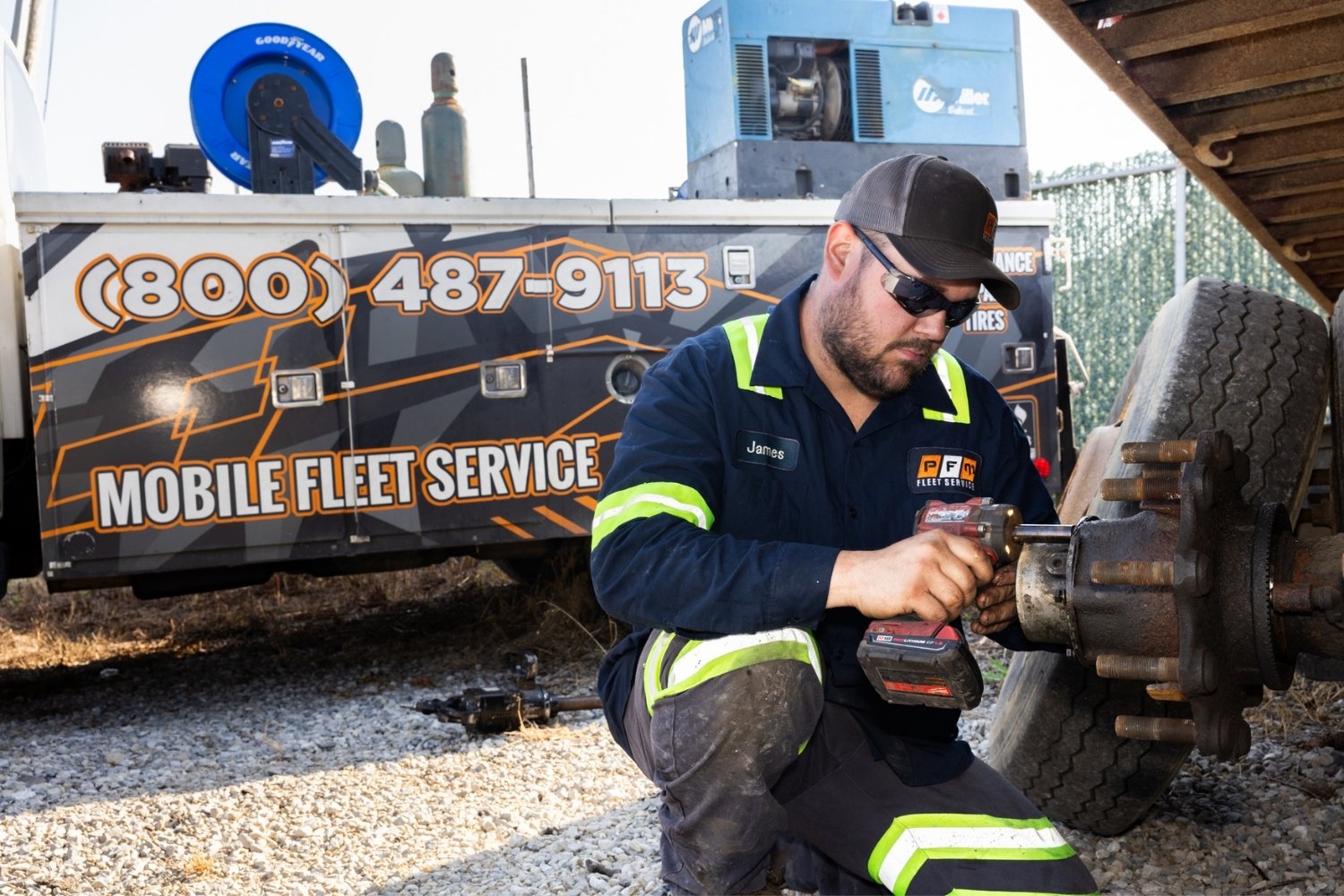
Mobile fleet maintenance services bring trained technicians and appropriate equipment to your location. Common services include: PM inspections, oil and filter changes, brake work, tyre replacement, minor repairs, air system service, and DOT-required inspections. Complex repairs (major engine work, transmission replacement) still require shop facilities.
The Downtime Advantage
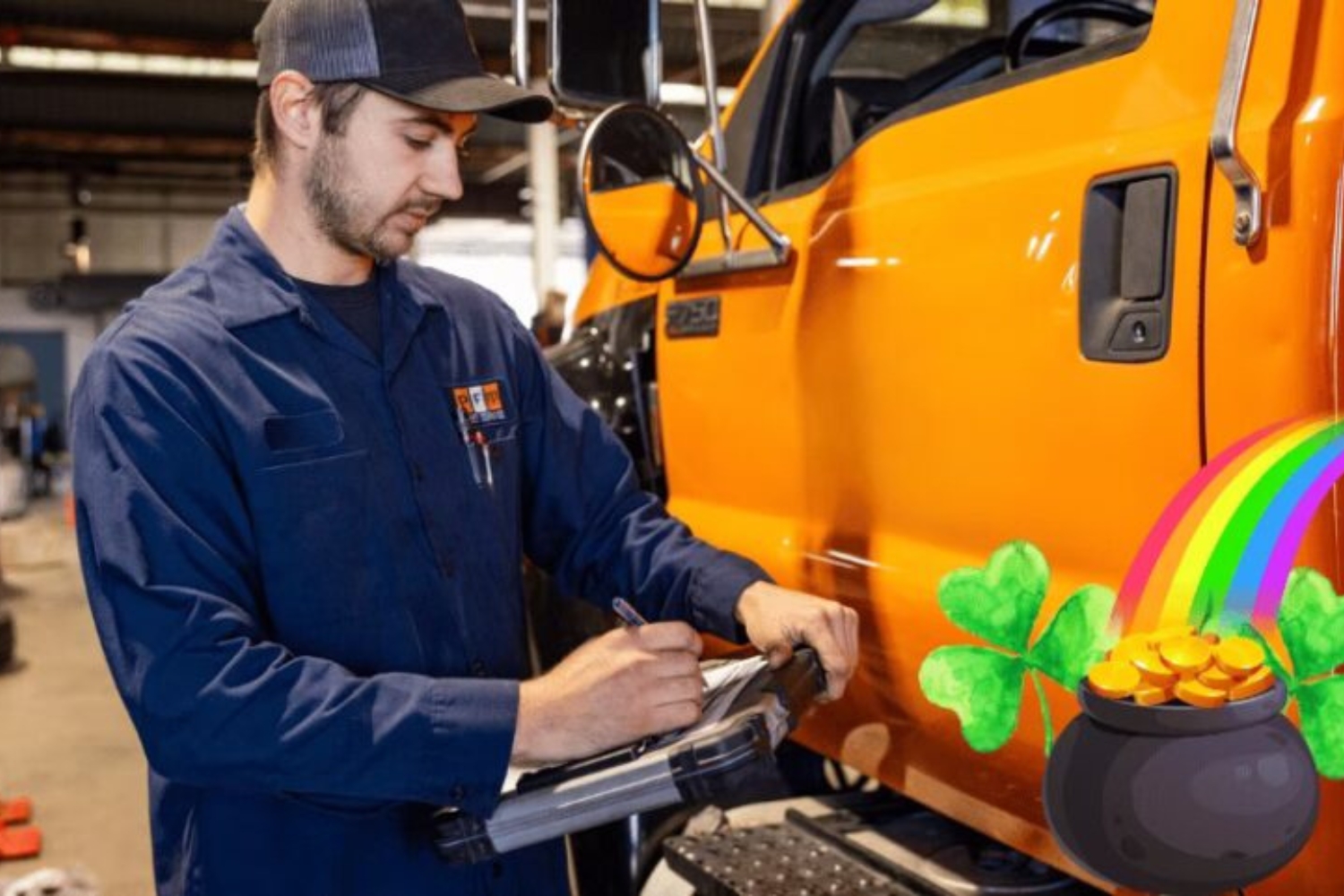
According to the American Transportation Research Institute (https://truckingresearch.org/), truck downtime costs $448-$760 per day per truck for typical operations. Mobile maintenance services eliminate transit time to and from repair shops. A 30-minute drive each way plus wait time becomes a technician arriving during scheduled maintenance windows at your facility.
Where Mobile Services Excel
Routine PM Service
Scheduled maintenance during off-hours or scheduled downtime. Technician arrives, performs service, and leaves. No driver time was wasted transporting the truck.
Small Repairs and Adjustments
Brake adjustments, light replacements, air leak repairs, minor electrical issues. Fixed on-site before they become major problems.
Emergency Roadside Service
Trucks disabled by mechanical issues get on-site repair. Faster than towing to shop and repairing there.
Multi-Truck Service
Fleet operations with multiple trucks at one location benefit from mobile service servicing several trucks in a single visit.
Off-Hours Service
Mobile technicians can service trucks during evenings or weekends when drivers are off duty. Trucks ready to roll for the next shift.
The Fleet Types That Benefit Most

Local Delivery Fleets
Trucks return to the central yard daily. Mobile service handles overnight PM without affecting daily operations.
Regional Trucking Companies
Trucks based at terminals in various locations. Mobile service reaches trucks where they operate.
Construction Fleets
Equipment often at job sites for extended periods. Mobile service maintains equipment on-site without transportation cost.
Municipal Fleets
Buses, refuse trucks, and service vehicles. Mobile maintenance keeps them in service.
Cost Comparison
Traditional Shop Service
Vehicle transportation time, driver wages during transport, wait time, service, return transportation. Total time investment is often 2-4x actual service time.
Mobile Service
Technician arrives, performs service and leaves. Total time equals service time plus technician’s travel between locations. Higher hourly rate typically compensated by eliminating driver time and vehicle downtime.
Response Time
Quality mobile fleet maintenance services offer defined response times for various situations. Emergency response: 2-4 hours typical. Scheduled service: at appointed time. This predictability supports fleet planning.
What Mobile Service Cannot Do
Major engine overhauls (require specialised equipment). Frame straightening (needs shop bays and specialised tools). Extensive body work. Complex diagnostic work requiring shop diagnostic equipment. Emissions testing (requires certified test bays in some jurisdictions).
The Skilled Technician Advantage
Mobile technicians typically have significant field experience. They diagnose and repair without shop resources, which sharpens problem-solving skills. Their recommendations often carry more weight than shop-based technicians who rely on specialised equipment.
Documentation and Records
Quality mobile services provide detailed service records after each visit. Modern services use digital documentation with photos, parts used, and diagnostic notes. Records integrate with fleet management systems.
Parts Availability
Mobile trucks carry common parts and consumables. Complex or specific parts require return visits after ordering. Understanding what mobile technicians can complete on their first visit affects service planning.
DOT and Regulatory Compliance
Annual DOT inspections can be performed on-site by qualified mobile technicians. This eliminates a significant annual disruption for fleet operations.
Insurance and Warranty Considerations
Verify that mobile service providers maintain appropriate insurance and warranty coverage. Quality operators cover both the service work and any incidental damage. Get documentation in writing before authorising work.
Setting Up Mobile Service Relationships
Initial Assessment
Provider evaluates fleet composition, typical service needs, and location logistics. Provides service recommendations and pricing.
Regular Service Schedule
Recurring PM appointments. Emergency service protocols established. Communication channels defined.
Ongoing Relationship
Regular quality reviews. Adjustments as fleet composition changes. Emergency response evaluation.
Common Mobile Fleet Maintenance Services Situations
Fleet Consolidation Points
Yards where trucks return each night. Mobile service handles PM without disrupting operations.
Construction Sites
Equipment kept on-site for extended projects. Mobile service is maintained without transportation.
Regional Yard Networks
Multiple yards across a region. Mobile service providers cover all locations consistently.
Distribution Centers
Trucks at loading docks between runs. Quick mobile service during loading time captures unused windows.
Cost Efficiency Analysis
For fleets with 5+ trucks at consolidation points: mobile service typically saves 20-40% total operational cost versus shop-based maintenance. Savings come from eliminating driver time, reduced downtime, and better preventive maintenance consistency.
When Mobile Alone Isn’t Enough
Complex diagnostic issues, major repairs, and specific facility requirements still need shop service. Best fleet strategies use mobile for 60-80% of maintenance work and shop for complex repairs. PFM Fleet Service provides both mobile service and shop-based service.
Working with PFM Fleet Service
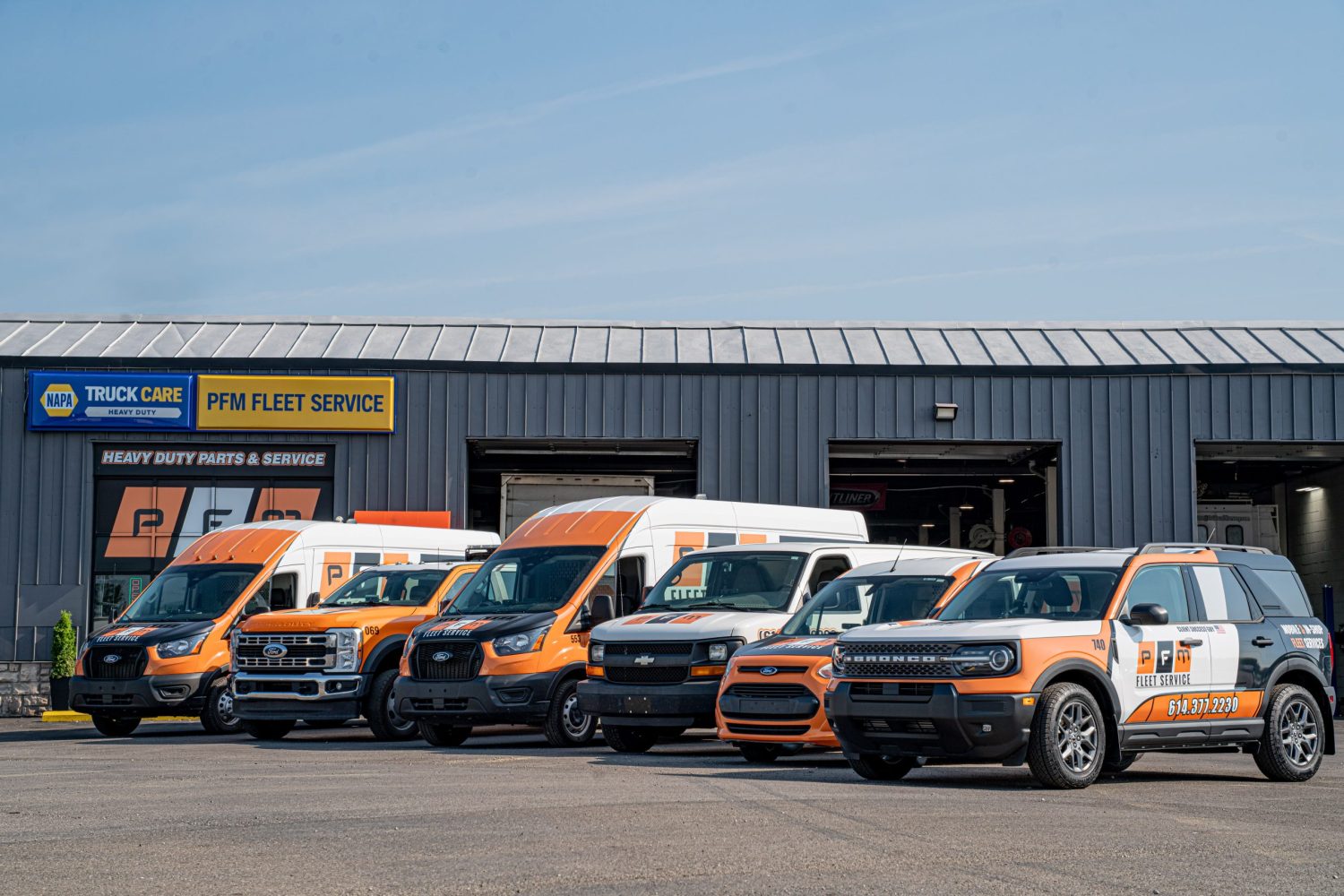
PFM Fleet Service provides mobile fleet maintenance services throughout Central Ohio. Includes routine service, emergency repairs, and DOT inspections. Visit our website and contact us.
FAQs
What can mobile fleet maintenance services actually do?
PM inspections, oil changes, brake work, tyre replacement, minor repairs, air system service, DOT inspections. Complex repairs still need shop facilities.
How quickly do mobile services respond?
Emergency response typically 2-4 hours. Scheduled service at appointed time.
Is mobile service more expensive than shop service?
Hourly rates are often higher, but total cost typically lower due to eliminated driver time and reduced downtime.
Can mobile services do DOT inspections?
Yes, qualified mobile technicians perform annual DOT inspections on-site.
Where do I book PFM mobile service?
Visit our website and contact us.