


The best commercial truck repair is the one you don’t need. Preventive maintenance catches problems before they escalate into roadside failures and expensive repairs. But how often is it enough? This guide walks through practical intervals for commercial truck preventive maintenance across common vehicle types and duty cycles.
Why Intervals Matter
Too aggressive means wasted service dollars. Too loose means preventable failures. Right intervals balance cost against risk. Manufacturer specs are the starting point; actual intervals adjust for duty cycle.
The Foundation Schedule
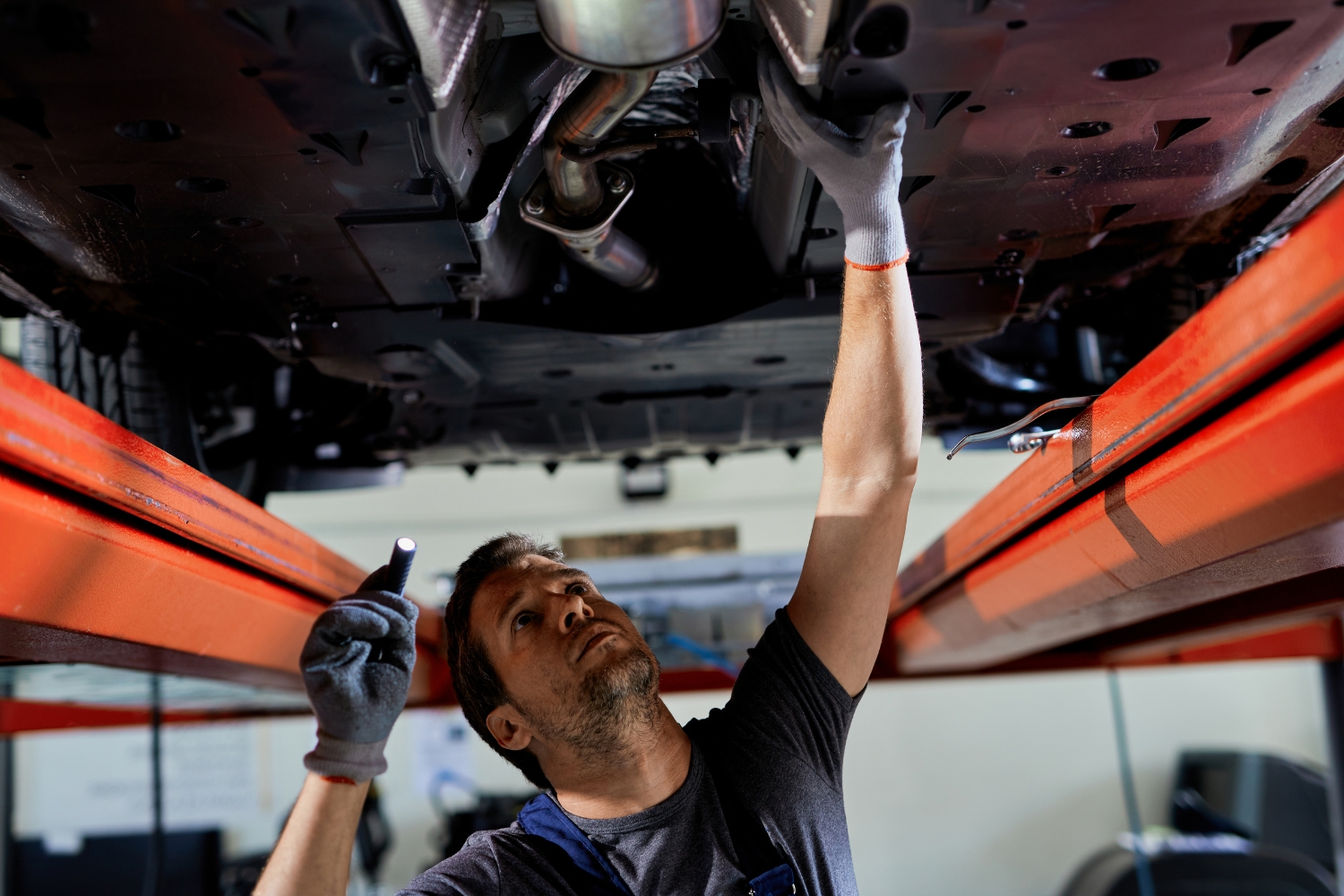
Every Trip (Driver Inspection)
Pre-trip and post-trip inspection by driver. Federally required (FMCSA §392.7). Documented on DVIR. Non-negotiable.
Weekly
Tire pressure, fluid levels, lighting check, obvious wear. 15 minutes; prevents many escalations. Not federally required but standard practice.
Monthly (or 5,000-10,000 miles)
First scheduled service level. Oil change (if due), brake inspection, comprehensive fluid check, tire rotation.
Detailed Preventive Intervals to Avoid Commercial Truck Repair

Oil Service
Class 8 highway trucks: 40,000-50,000 miles under severe duty (most commercial operation qualifies as severe). Extended-drain synthetic capable of 60,000+ with UOA monitoring. Class 6-7 delivery: 25,000-30,000 miles typical. Follow engine manufacturer’s spec.
Transmission Service
Manual transmissions: 100,000-250,000 miles depending on manufacturer. Automated manuals like Eaton AutoShift or Volvo I-Shift have specific intervals. Automatics (Allison) 50,000-100,000 miles typically.
Differential Service
150,000-250,000 miles typical. Synthetic gear oil extends intervals. Meritor, Dana, and Detroit Diesel published intervals.
Coolant Service
Extended-life coolant (Chevron Delo, Fleetguard ES Compleat) can go 600,000 miles with SCA monitoring. Conventional coolant every 150,000 miles. Test annually regardless.
Fuel Filter Service
Every 15,000-30,000 miles or engine hours equivalent. Fuel quality affects interval – poor fuel means more frequent service.
Air Filter Service
The restrictor gauge shows when to change. Dust exposure dominant factor. 50,000-150,000 miles typical range.
Brake Service
Pad inspection every 15,000-30,000 miles. Replacement varies widely by weight and terrain: 100,000-500,000+ miles possible.
Tire Service
Rotation every 20,000-50,000 miles depending on position. Replacement varies widely: steer tires typically 100,000-200,000 miles, drives similar, trailers can go 400,000+.
Duty Cycle Adjustments for Commercial Truck Repair Prevention
Highway Duty
Manufacturer normal-duty intervals apply. Consistent high-mileage operation actually favors engines. Longest possible intervals.
Regional/Mixed Duty
Manufacturer severe duty intervals. Combination of highway and stop-and-go work.
Local/Delivery Duty
Severe duty consistently. Consider shortening intervals 15-25% below manufacturer severe duty. Especially for oil and fuel filter service.
Idle-Heavy Duty
Extended idling (refrigeration, hydraulic operation, sleeper) counts toward engine hours. Hour-based scheduling is more accurate than mileage.
Special Systems
DEF System (Diesel)
DEF filter every 100,000-200,000 miles. DEF quality affects intervals. Level checked at every fuel-up.
DPF Regeneration and Service
Passive regeneration during highway operation. Active regeneration when needed. Physical DPF cleaning every 200,000-400,000 miles typical.
EGR System
EGR cooler and valve cleaning as needed. Symptoms indicate service – no fixed interval typically.
Turbocharger
Oil supply is critical. Follow engine service religiously. Physical service only when problems arise.
Common Preventive Service Mistakes
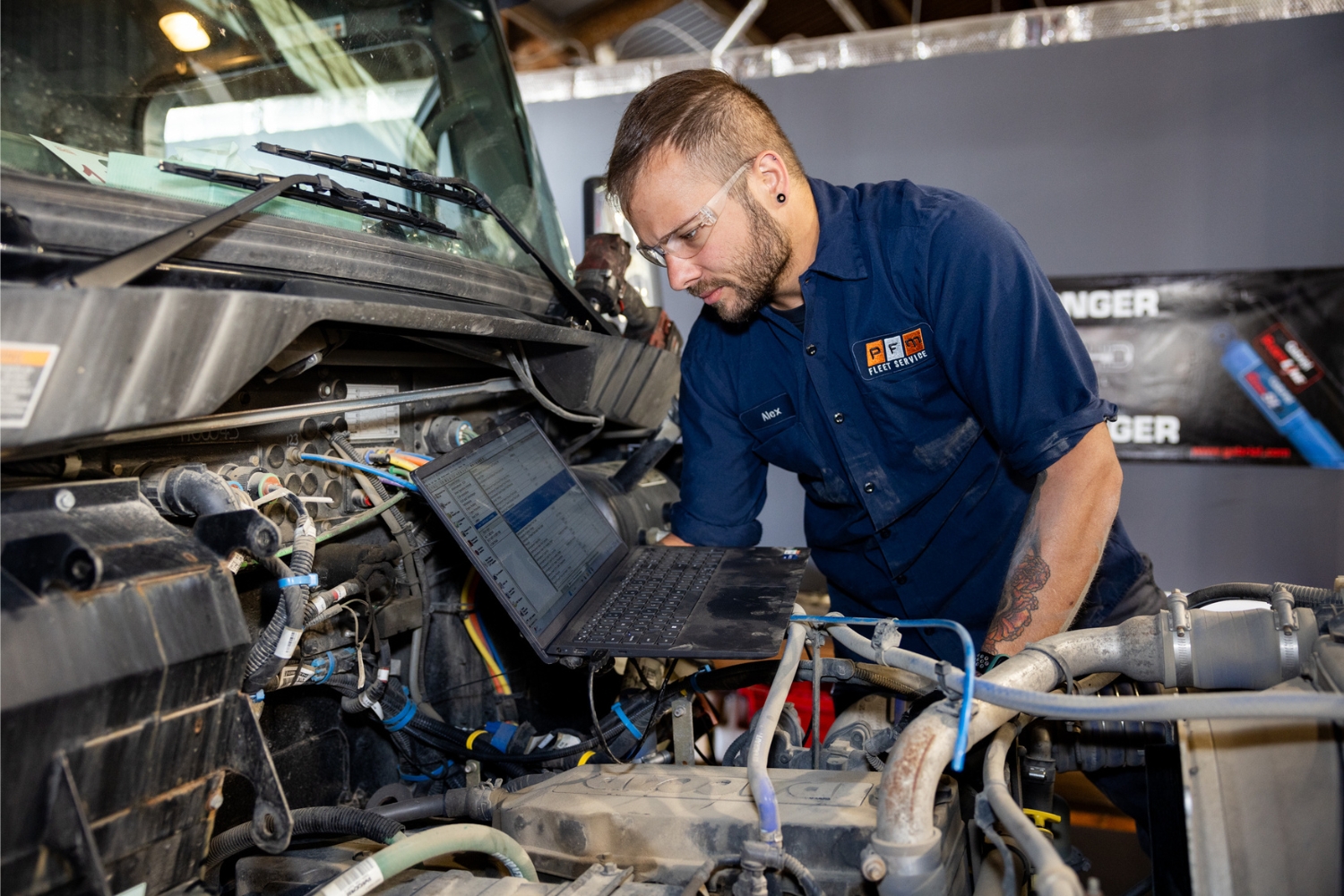
Extending Intervals to Save Money
The savings evaporate when a preventable failure costs $10,000. Follow manufacturer specs at minimum.
Ignoring Fluid Analysis
Used oil analysis catches problems early. $25 per sample vs. thousands in damage. Standard practice for professional fleets.
Skipping Weekly Checks
Driver level weekly checks catch tire and lighting issues before roadside inspection. Prevents violations and downtime.
Reacting Instead of Scheduling
Waiting for problems means downtime and expensive repairs. Systematic scheduling costs less over vehicle life.
Cost of Prevention vs Reactive Commercial Truck Repair
Preventive service typically costs 30-50% less than reactive repair over vehicle lifetime. Uptime improves 20-40%. Resale value increases 10-20%. The math is unambiguous. According to the American Trucking Associations, fleets with systematic preventive programs consistently outperform reactive fleets on cost per mile.
Documentation Requirements
Every preventive service documented per FMCSA §396.3. Retain a minimum 12 months. Document parts, labor, mileage, technician, and next service due. Good documentation also supports warranty claims.
Working with PFM Fleet Service
PFM Fleet Service provides comprehensive preventive maintenance for commercial fleets. Scheduled programs available. See services and contact with the team at our website.
Getting Started
Fleet Inventory
Document every vehicle with year, make, model, engine, current mileage/hours, and duty cycle.
Pull OEM Schedules
Reference manufacturer service manuals for each engine and vehicle. Note normal and severe duty intervals.
Set Practical Intervals
Apply duty cycle adjustments. Build tracking system. Set alerts before due dates.
Implement and Track
Roll out schedule. Track actual failures against schedule. Adjust intervals based on failure patterns.
Emergency Service Planning

Roadside Coverage
Even best preventive programs need emergency response. 24/7 mobile service or network coverage.
Parts Access
Common wear parts are available quickly. Extended parts availability for specialty components.
Backup Vehicle Assignment
Plan for downed vehicles. Route reassignment or backup vehicle protocols.
FAQs
How often do commercial trucks need preventive maintenance?
Daily driver inspection, weekly checks, monthly detailed inspection, and specific service intervals by mileage/hours. Full detail depends on vehicle type and duty.
Can I extend intervals to save money?
Not beyond manufacturer specs without voiding warranty. Extended-drain synthetic oils with UOA monitoring allow longer intervals while staying within warranty terms.
What’s the biggest preventive maintenance mistake?
Skipping regular service intervals or extending them without oil analysis. Both create predictable failures.
How much does preventive maintenance save?
Industry averages show 30-50% lower total maintenance costs versus reactive repair over vehicle life.
Where do I get commercial truck repair service?
Visit our website to schedule service or set up a preventive maintenance program.