

A working fleet maintenance checklist is the foundation of reliable operations. It captures the critical items every commercial vehicle needs regular attention to. This guide walks through 15 essential checklist items, why each matters, and how often each needs attention. Use this as a template for building or reviewing your own fleet checklist.
Why Use a Standard Checklist
Standard checklists ensure nothing gets missed. Human memory fails; paper doesn’t. Consistency across vehicles enables comparison. Compliance evidence when audited. According to FMCSA systematic inspection programs consistently outperform ad-hoc approaches.
The 15-Item Fleet Maintenance Checklist
1. Engine Oil and Filter
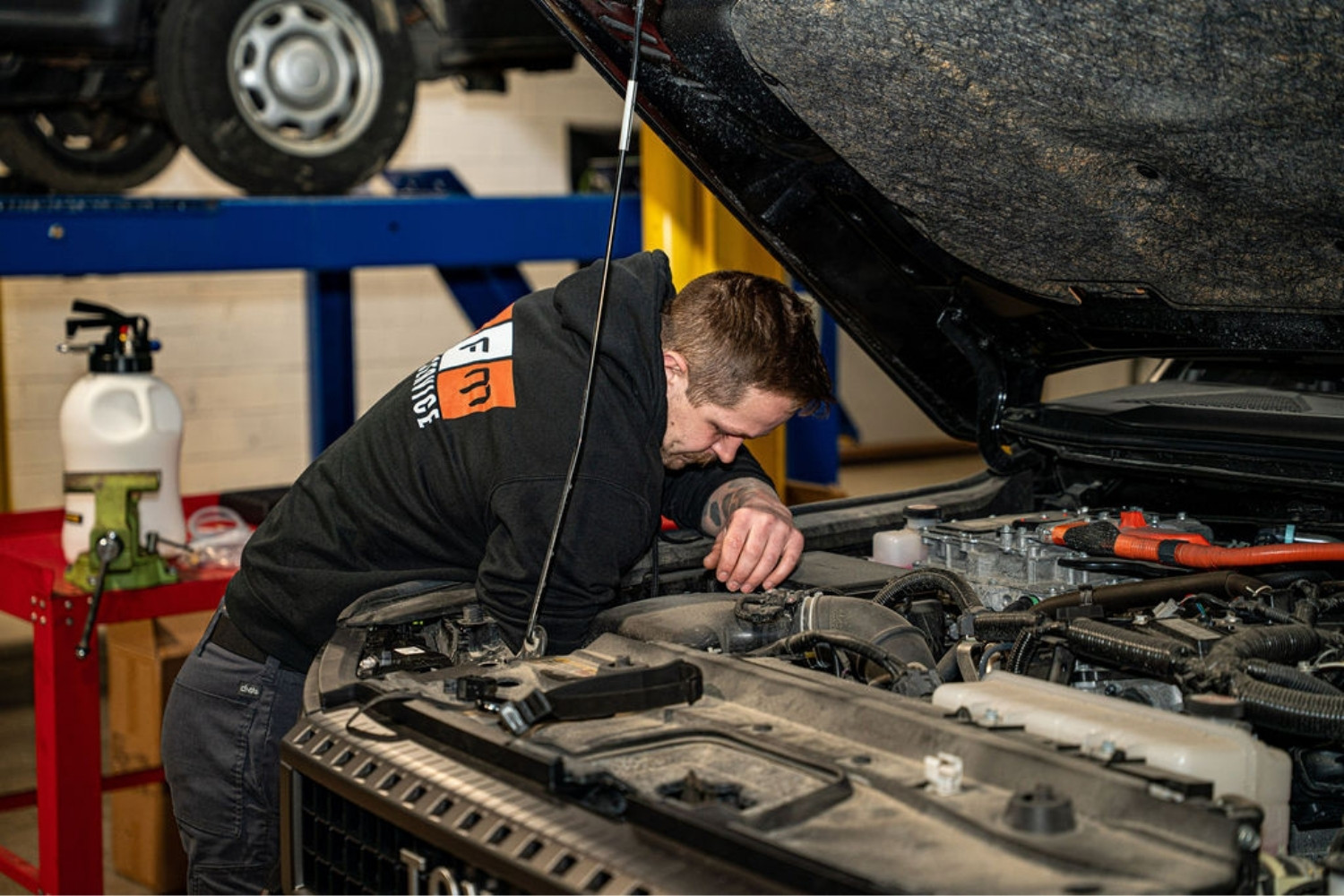
Level, condition, service interval. Sample for UOA when applicable. Foundation of engine health.
2. Coolant System
Level, freeze protection, SCA levels for diesel, hose condition, radiator condition, no external leaks.
3. Transmission
Fluid level and condition, service interval, no leaks, shifting quality noted.
4. Differential and Driveline
Differential fluid, driveshaft U-joints, driveshaft alignment. Rear axle bearings in inspection interval.
5. Brake System
Pad thickness, rotor condition, brake fluid level, air brake systems for CDL vehicles including slack adjusters and chambers, brake lines and hoses.
6. Tires
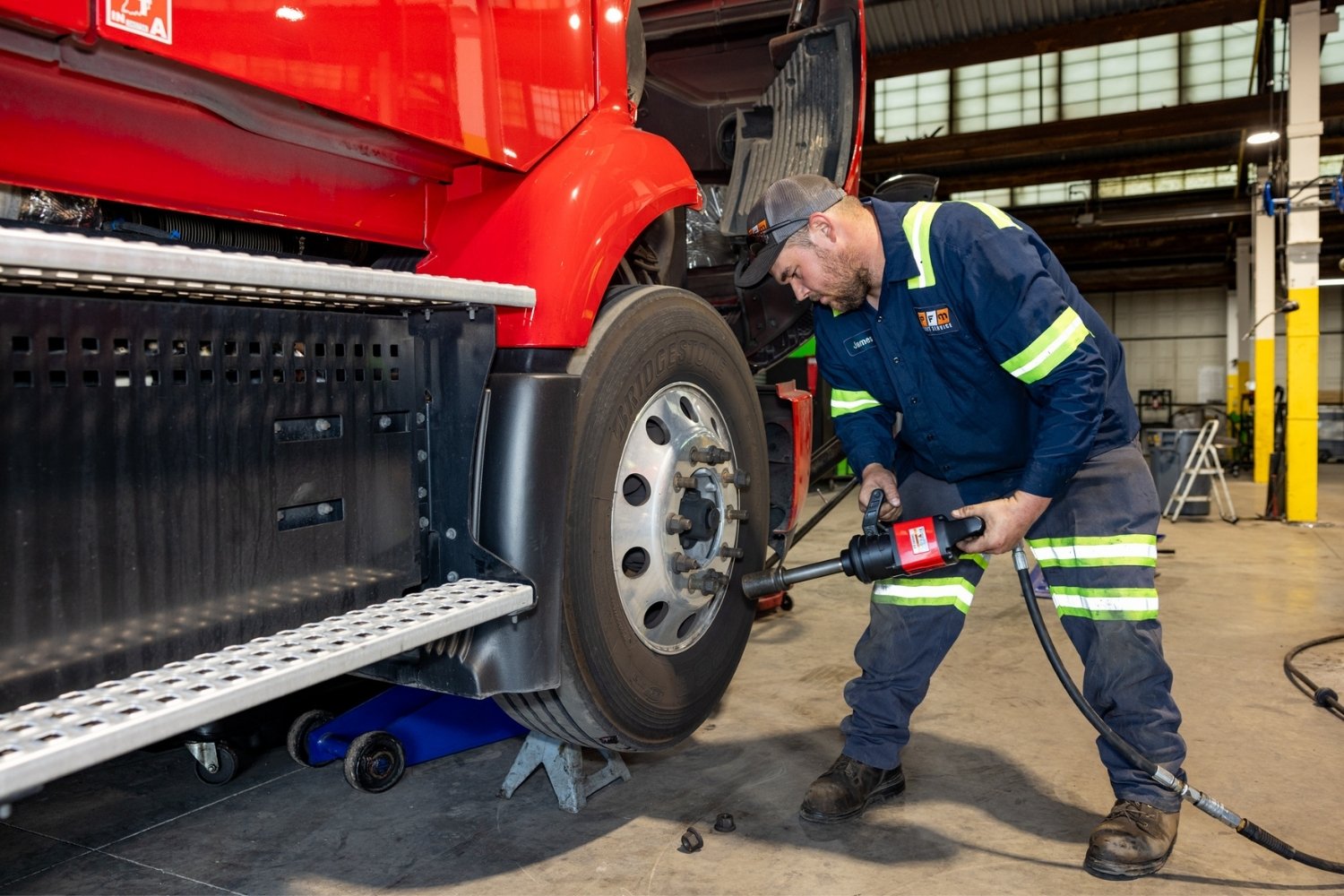
Pressure (all positions), tread depth, wear pattern, sidewall condition, valve stem condition. Rotate on schedule.
7. Steering and Suspension
Steering play, tie rods, ball joints, kingpins, shocks, springs, U-bolts, air suspension components.
8. Electrical System
Battery condition (load test), charging system output, wiring condition, all lighting functional including markers, brakes, turn signals, and cargo lights.
9. Fuel System
Fuel filter service, fuel lines condition, fuel tank condition, water separator checked and drained.
10. Air System (Diesel)
Air filter condition, air intake system integrity, turbo condition, DPF status, EGR system operation.
11. Exhaust and Emissions
Exhaust system integrity, mounting brackets, DEF level and quality, DEF filter condition, no visible emissions system faults.
12. Body and Frame
Frame condition, no cracks, no serious corrosion, cab mounts, body mounts, door operation, windshield condition, wipers.
13. Interior
Seat operation, seatbelts, dash gauges functional, HVAC operation, mirrors adjusted and clean.
14. Safety Equipment
Fire extinguisher, triangles, flares, first aid kit, DOT logbook or ELD operational, DVIR forms available.
15. Documentation
Registration, insurance, IFTA decals, fuel receipts, DVIR completed, DOT annual inspection valid.
Building the Fleet Maintenance Checklist Into Operations
Daily (Driver DVIR)
Driver covers items 6, 8, 12, 13, 14, 15 primarily. Quick pre-trip inspection. Any defects reported and documented per FMCSA §392.7.
Weekly
Extended check covering items 1, 2, 5, 6, 8 more thoroughly. 20-30 minutes.
Monthly
Full 15 item review. Comprehensive inspection. Document findings. Coordinate any required service.
Annual (DOT Inspection)
Comprehensive federal DOT inspection by a qualified inspector. Documented on federal inspection form. Retain records.
Common Checklist Mistakes
Rushing Through Items
Checklists rushed miss issues. Time budget appropriate for actual inspection depth.
Signing Without Inspecting
Common issue. Fraudulent inspections eventually caught in audits. Enforce verification and consequences.
Not Reporting Defects
Drivers who don’t report defects create liability. Culture must support defect reporting.
No Follow-Through
Defects identified but not repaired. Wasted inspection. The repair queue must be actively managed.
Digital vs Paper Checklists
Paper
Simple, no technology dependence. Manual entry into records. Loss and legibility issues.
Digital
Auto entered into records. Photo attachment capability. Real time reporting. Requires devices and connectivity.
Hybrid
Paper in field, digital entry at end of shift. Common in transitions.
Fleet Management Software Integration
Modern fleet management platforms include electronic DVIR and inspection checklists. Systems like Fleetio, Samsara, and Verizon Connect integrate checklist data with maintenance scheduling automatically. According to CVSA inspection statistics, digital DVIR fleets consistently show better inspection outcomes.
Customizing the Fleet Maintenance Checklist
By Vehicle Type
Refrigerated trailers add refrigeration unit check. Dump trucks add hydraulic system checks. Vocational vehicles have specific PTO items.
By Duty Cycle
Off-highway duty adds attention to specific wear items. Highway duty simplifies some items.
By Regulatory Environment
Hazmat operations add specific safety equipment and documentation. Passenger vehicles add passenger specific checks.
Training Drivers on the Checklist

Formal Training
New drivers trained on inspection procedures. Standard for CDL operations.
Refresher Training
Annual refresher on inspection standards. Especially valuable after audit findings or incident investigations.
Consequence Structure
Clear consequences for skipped or fraudulent inspections. Positive recognition for good inspection practice.
PFM Fleet Service Support
PFM Fleet Service provides comprehensive fleet management solutions, including inspection support, defect resolution, and compliance documentation. Visit our website to explore all our services and get in touch with our team to discuss your fleet service needs.
Using Checklist Data
Failure Pattern Analysis
Repeated defects across vehicles indicate systematic problems: vehicle spec issues, driver behavior, or operational conditions.
Cost Analysis
Checklist data feeds cost-per-mile analysis. Vehicles with high defect rates trending toward replacement.
Compliance Documentation
Complete checklist records support insurance claims, warranty claims, and regulatory audits.
Getting Started With a Fleet Maintenance Checklist
Adopt or Adapt
Start with this 15-item checklist. Adapt for specific vehicle types in your fleet.
Test With Small Group
Pilot with 2-3 vehicles. Refine format based on driver feedback.
Roll Out Fleet-Wide
Train, implement, and monitor for compliance.
Continuously Improve
Review checklist quarterly. Add items based on lessons learned. Remove items that don’t contribute.
FAQs
How long should the fleet maintenance checklist take?
Daily DVIR 10-15 minutes. Monthly full checklist 45-90 minutes depending on vehicle complexity.
What’s the biggest inspection mistake?
Signing without actually inspecting. Enforce verification and eventually consequences.
Do I need dedicated software?
Small fleets can use paper. Any fleet over 10 vehicles benefits from digital inspection systems.
How do I train drivers?
Formal onboarding training plus annual refreshers. Include consequences for skipped inspections.
Where do I get PFM support?
Visit our website to discuss fleet inspection support and maintenance programs.